

faces lightMiniMax whitekairosSoftServe—Logo—White

hack@latam

the largest hackathon for social good in LATAM is over

it brought together 87 teams from around the world to tackle some of latin america's most urgent challenges

in just 54 hours, we saw hardware builds, moonshots, viral projects, and teams surpass 10,000 signups before the event even ended

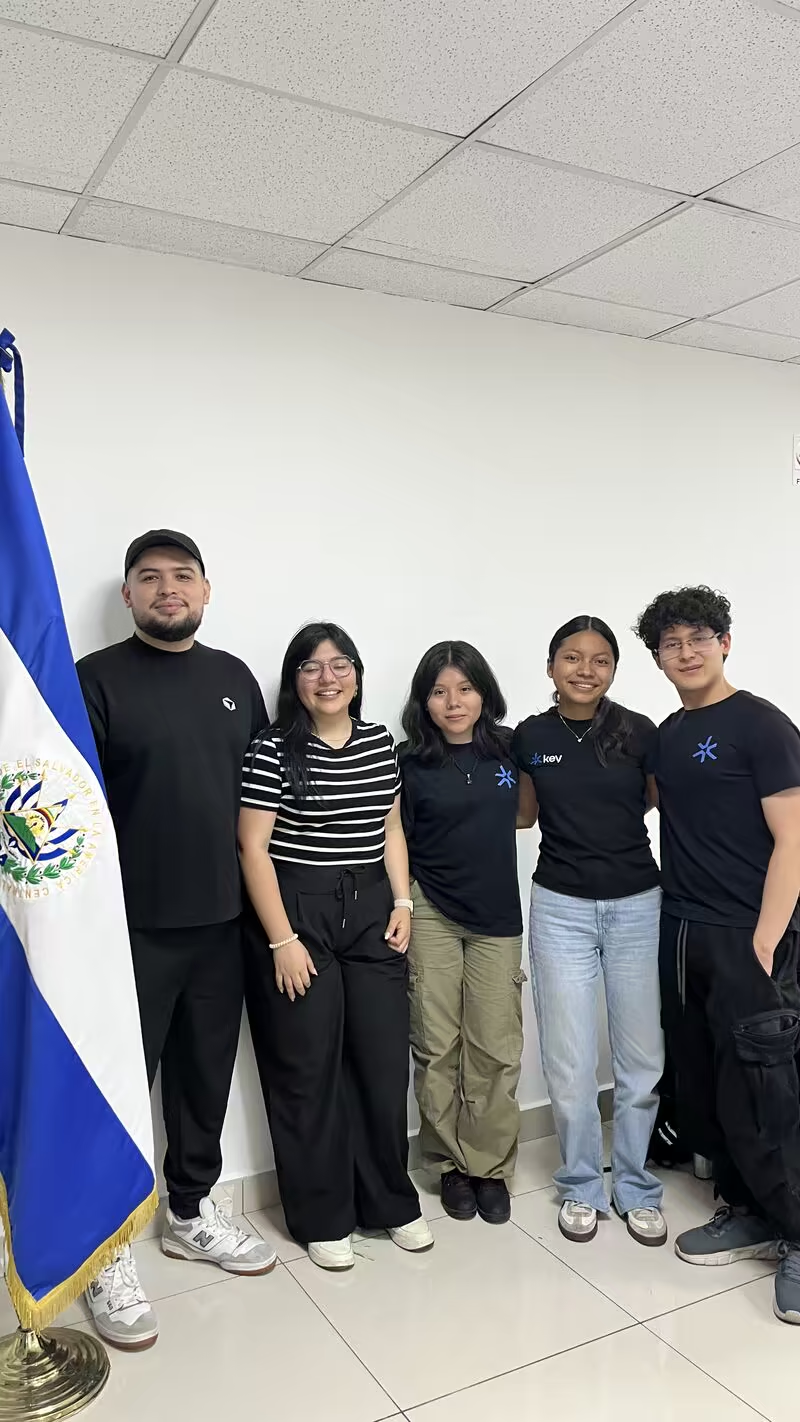
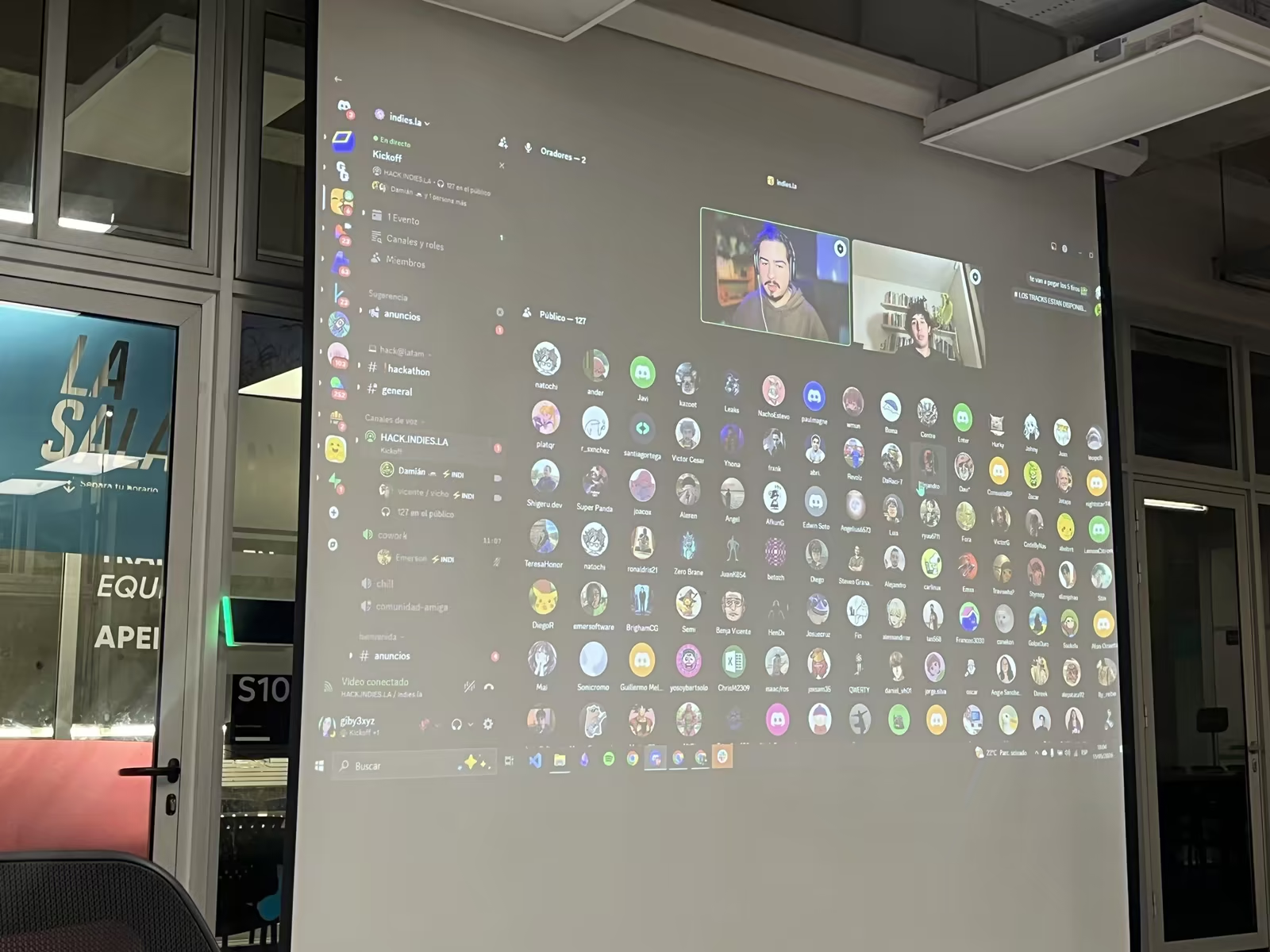
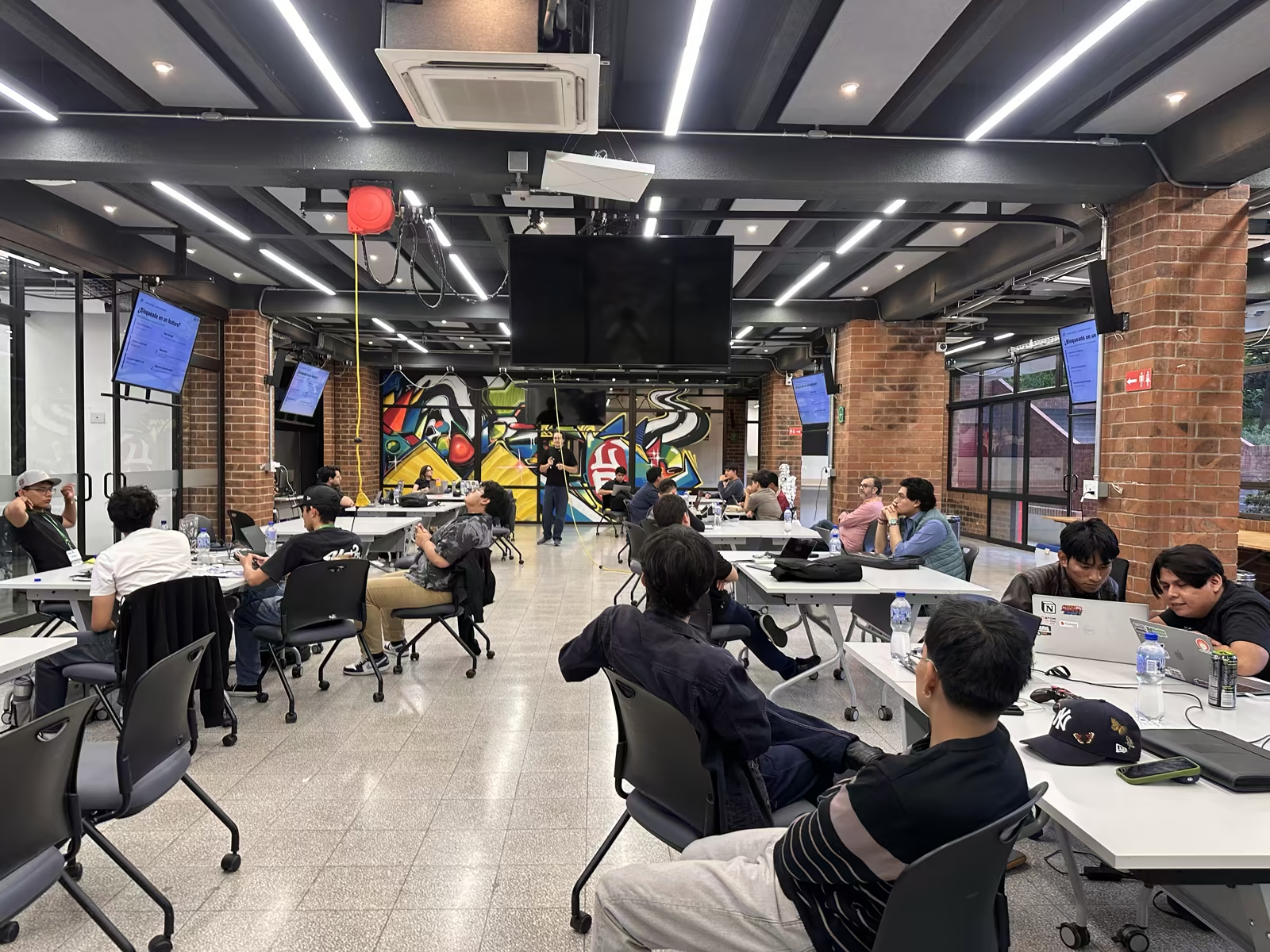
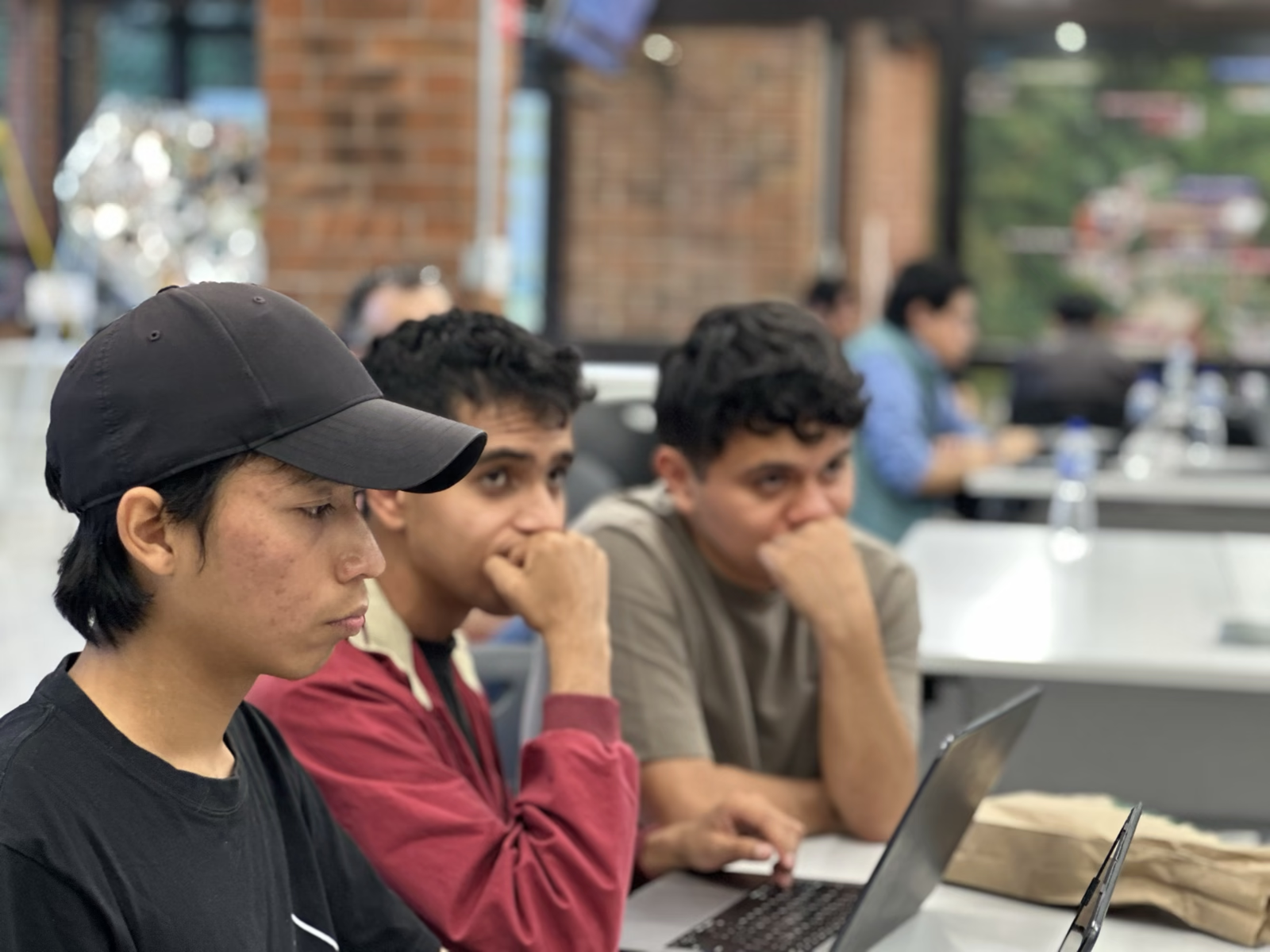
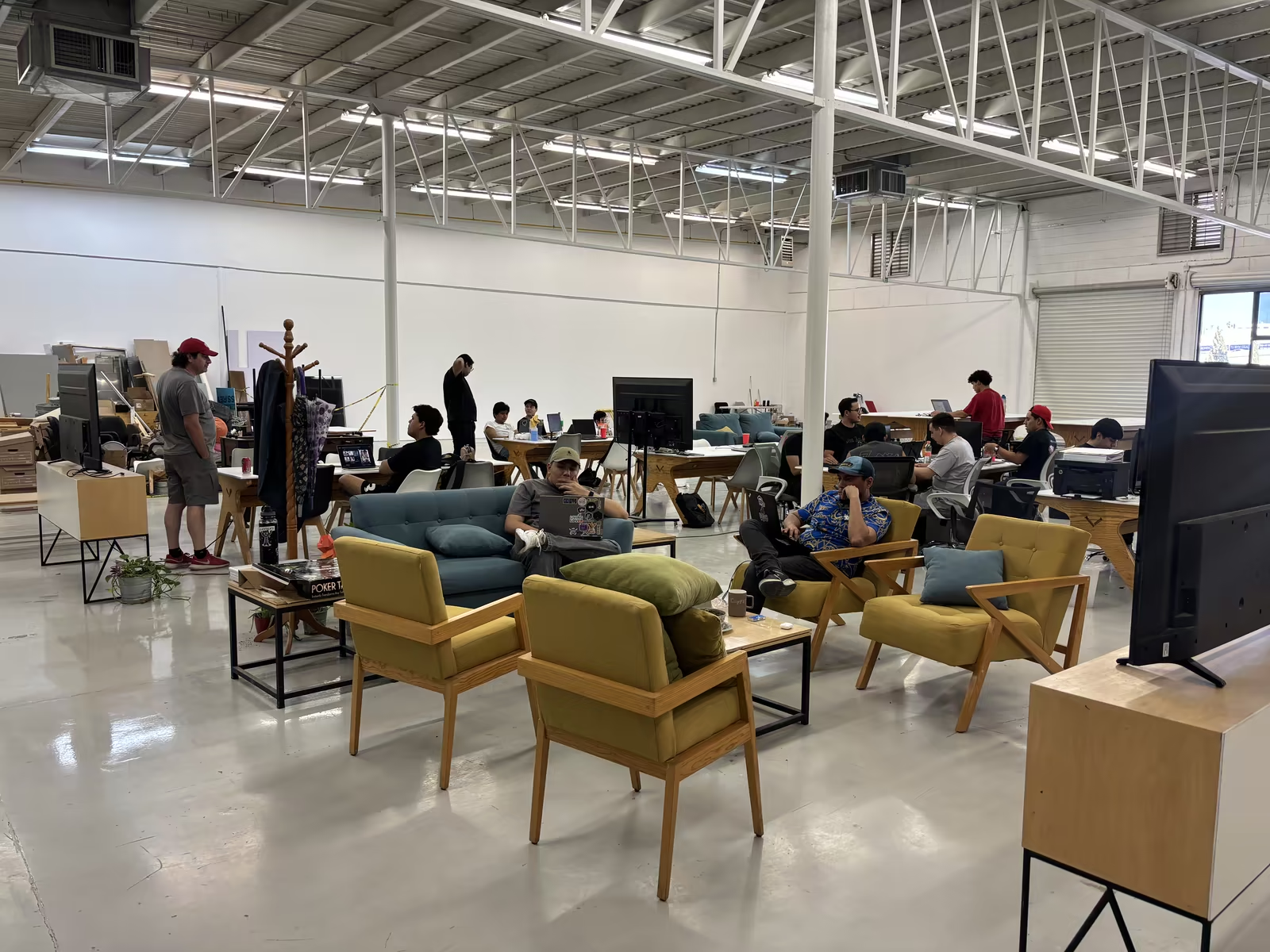
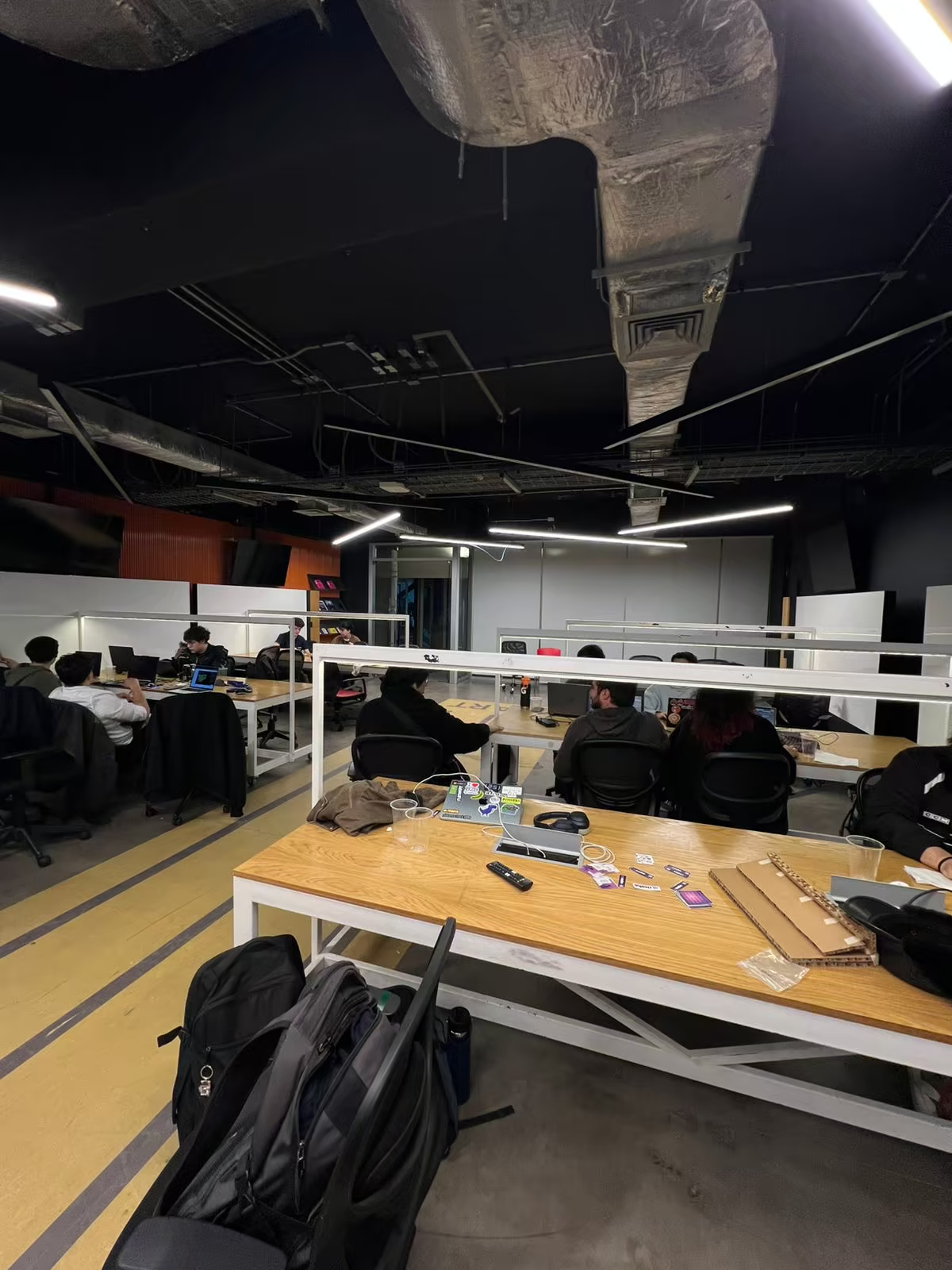
top universities opened their doors to host across mexico, peru, chile, guatemala, and el salvador

hack@latam location
hack@latam location
El Salvador
hack@latam location
Guatemala
hack@latam location
hack@latam location
hack@latam location

so who won?

it was no easy task to pick winners from all the amazing projects, but our judges did a great job

each got 2,000 dollars and direct interviews with the residency and antigravity capital

special awards for outstanding usage of sponsors' tools

  • sentinel from chile predicts and monitors fires, tornadoes, and glaciers, won 600 dollars in api credits from mistral
  • freddy hg from colombia monitors illegal gold mining in the amazon, won 600 dollars in api credits from mistral
  • koralio from el salvador monitors coral reefs in central america, won 1 year of make.com

building in public made for some of the most memorable moments

sabuezo making cybersecurity accessible to SMBs accross latam went viral on instagram, x and tiktok. reaching 80,000 people on instagram alone

debri net quite literally built in public with a foldable desk and 2 laptops, from dawn to dusk until public security was called on them because they looked so sketchy

nicolás quintana

def/acc winner

they called security on us…

last weekend, my friends and i participated in hack@latam

naturally, them being what my dad nicknamed "rocket friends", we decided to go for a moonshot, literally: space debris

a large-scale problem that we barely think about, it threatens to wipe out our entire satellite infrastructure if we keep accumulating debris

its main challenge is locating it and predicting its trajectory, something we currently do using very expensive ground-based radars

we developed debri net, a system that allows us to detect pieces of space debris from small fluctuations in communications between satellites

applied to large networks like nasa's iridium constellation, it has the potential to detect thousands of fragments per day
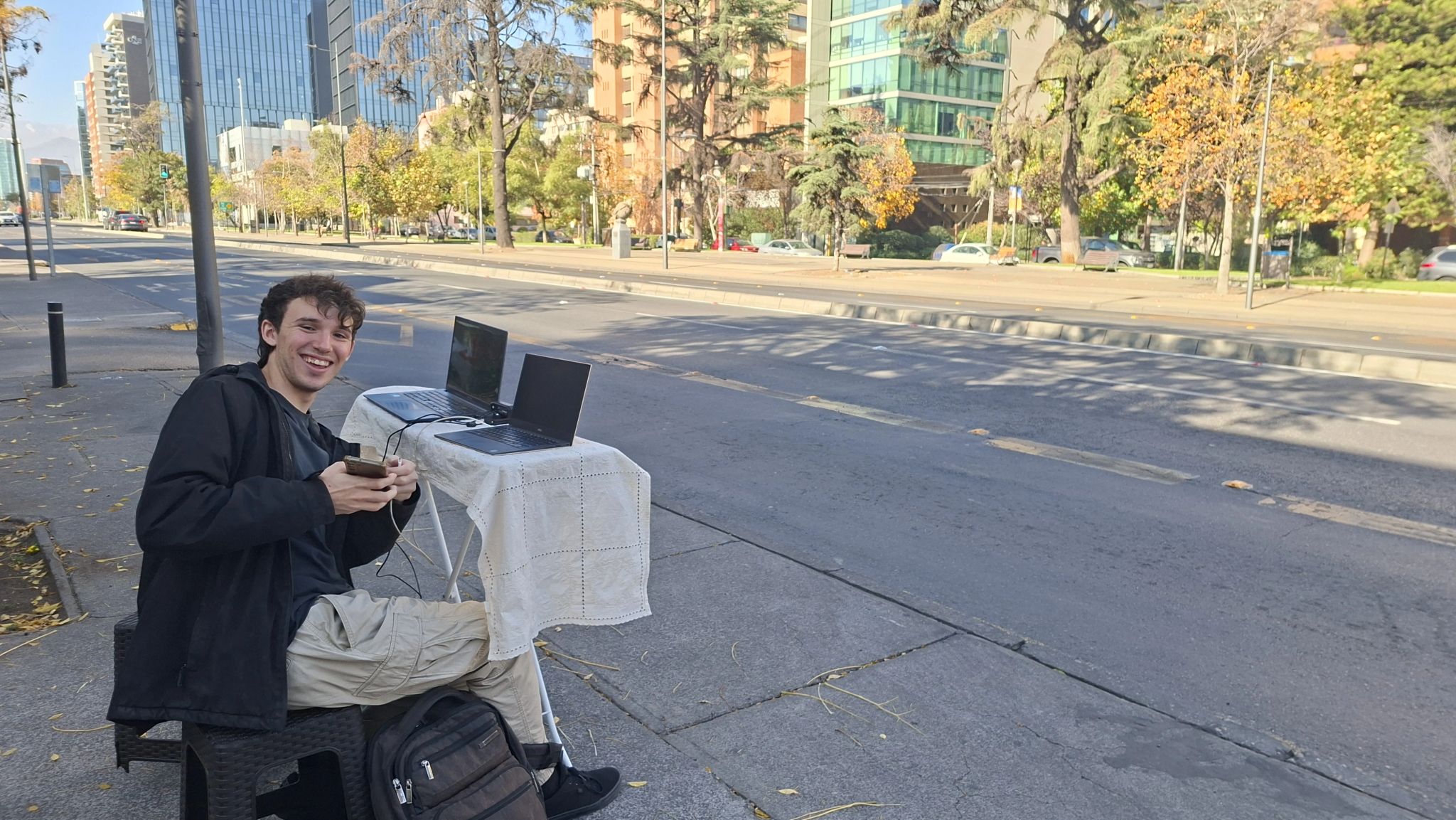

Nicolás Quintana working on debri net outdoors with two laptops on a sidewalk

and, who were our judges?

chosen for their ability to evaluate the projects based on their potential to make a positive impact on the world

huge thanks to organizers,

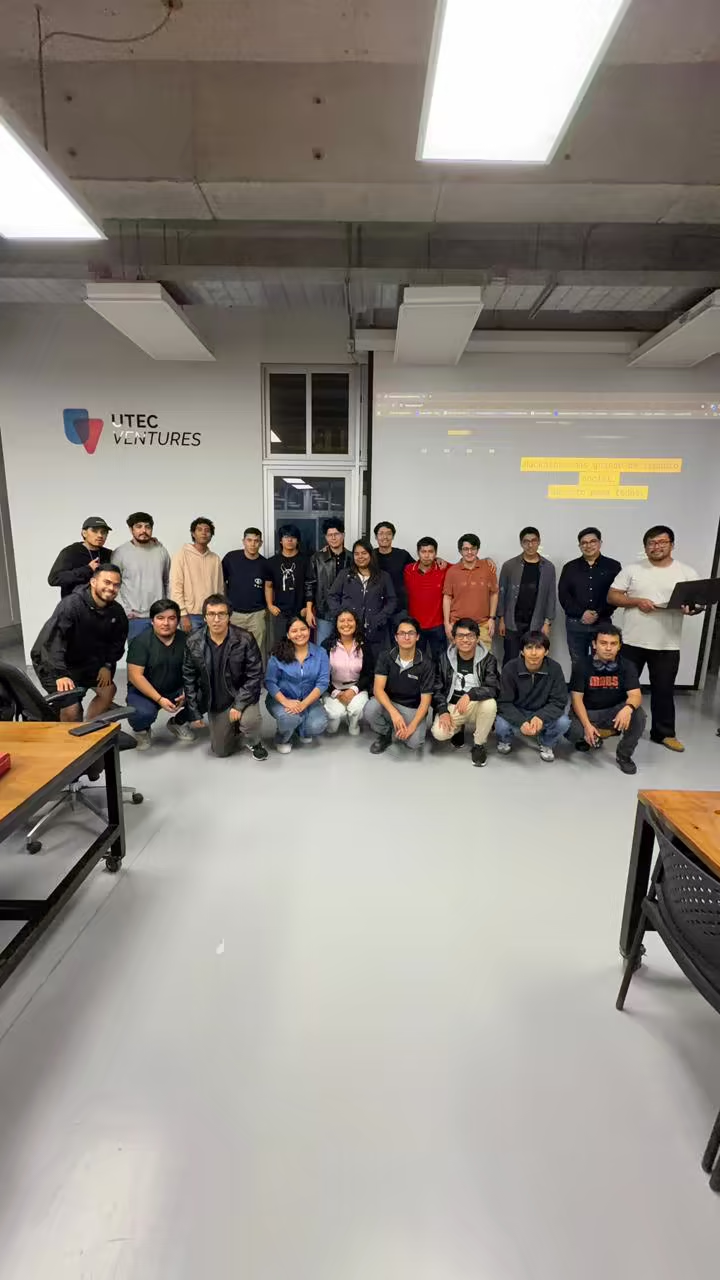
ai playgrounds at utec ventures and universidad de ingeniería y tecnología (UTEC)

ai /abs at universidad francisco gavidia (UFG)

the 502 project at universidad francisco marroquín (UFM)

indies.la at universidad del desarrollo (UDD)

escuelita maker at living lab

it wouldn't have been possible without our sponsors

faces lightMiniMax whitekairosSoftServe—Logo—White
66785efcedb60b7775ac3e7b hero image  1animoAntigravity B  Primary Logoboquilacontext7 logo darkemisso logo  1gptchain blackisologomake textmiguel pazmistral logo color whitemonologue smart dictationOpenrouter.worrdmark.whiteutec venturesv0 logo darkzavu